Long haul trucking continues to serve as a vital engine of economic activity, connecting manufacturers, distributors, retailers, and consumers across vast distances. As supply chains become more dynamic and e-commerce demand accelerates, trucking routes have grown increasingly sophisticated, supported by route optimization technology, real-time tracking, and improved fuel efficiency standards. These trends not only influence freight costs and delivery timelines but also shape how commercial real estate and storage markets evolve. Communities located along major highways and freight corridors often experience rising business activity, which directly impacts demand for flexible space solutions such as self storage facilities.
With more goods moving across state lines and regional hubs expanding, smaller businesses frequently position themselves near trucking routes to take advantage of accessible transportation networks. This clustering effect stimulates secondary industries—including warehousing, light manufacturing, and storage services—that support ongoing freight movement.
Inventory Decentralization and Flexible Storage Needs
One major trend shaping the storage market is inventory decentralization. Instead of relying solely on large centralized warehouses, businesses increasingly distribute inventory across multiple smaller locations to reduce delivery times and manage risk. Long haul trucking enables this strategy by providing consistent and cost-effective connections between regional hubs.
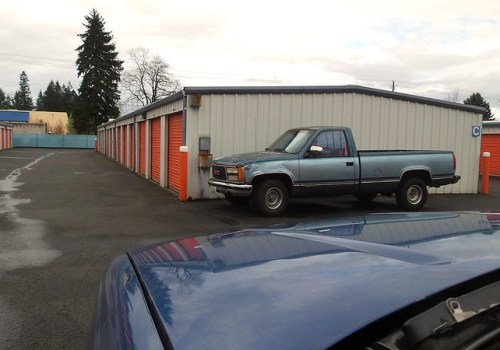
Self storage facilities benefit from this shift because many small operators and entrepreneurs do not require full-scale industrial warehouses. Instead, they seek manageable units to hold surplus inventory, tools, promotional materials, or seasonal stock. Facilities like Airway Heights Mini-Storage demonstrate how strategically positioned storage properties can support businesses operating along active trucking corridors. Accessible locations near highways allow tenants to load and unload goods efficiently while maintaining lower overhead costs compared to commercial warehouse leases.
Growth in Mobile Workforces and Relocation Patterns
Another trend influencing the storage sector is the increased mobility of workers within logistics and transportation industries. As trucking companies expand routes and hire drivers across different regions, relocation becomes more common. Drivers and logistics professionals often require temporary storage during moves, particularly when transitioning between assignments or awaiting permanent housing arrangements.
In addition, the rise of independent contractors and small delivery services has created a need for flexible space to store equipment and supplies between routes. Storage facilities near trucking hubs offer convenient solutions for individuals who need secure access without long-term commitments.
Infrastructure Investment and Property Development
Ongoing infrastructure investments in highways, interstates, and freight corridors further reinforce the relationship between trucking and storage development. Improved road networks increase freight efficiency, encouraging commercial growth in surrounding areas. As new businesses establish operations along these corridors, demand for adaptable storage options rises accordingly.
Developers often analyze freight traffic patterns before selecting sites for new self storage facilities. Proximity to major trucking routes enhances accessibility and long-term occupancy potential. Wide drive aisles, ground-level units, and convenient operating hours become important features for customers managing large or frequent deliveries.
Long-Term Market Resilience
Long haul trucking trends—such as decentralized inventory management, workforce mobility, and infrastructure expansion—continue to shape the self storage facility market. As freight movement remains essential to economic growth, communities along trucking corridors are likely to experience sustained demand for flexible storage solutions.
By aligning with transportation networks and evolving logistics strategies, self storage facilities position themselves as valuable partners in modern commerce. The intersection of freight mobility and adaptable property use ensures that storage providers remain integral to both business operations and residential transitions in a rapidly changing marketplace.