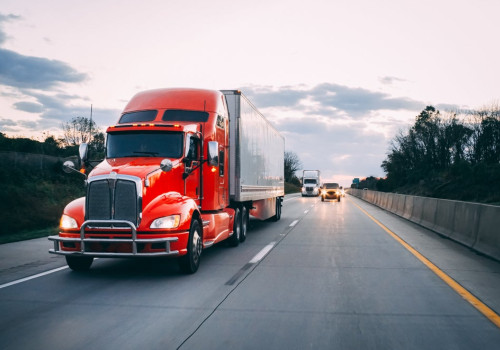
Long haul trucking operations are the backbone of supply chains, moving goods across states and regions every day. However, with extended time on the road comes a significant and often overlooked challenge: waste management. Truck drivers generate various types of waste, including food packaging, personal trash, maintenance debris, and occasionally cargo-related refuse. Without proper systems in place, waste can accumulate quickly, leading to unsanitary conditions, environmental concerns, and compliance issues. Effective waste management is essential not only for cleanliness, but also for driver well-being, operational efficiency, and regulatory responsibility.
Common Waste Sources on the Road
Waste generated during long haul trucking typically falls into a few key categories. Daily living waste includes food wrappers, bottles, and disposable items from rest stops or onboard meals. Maintenance-related waste, such as worn gloves, oil containers, filters, and packaging from replacement parts, can also build up over time. In some cases, damaged cargo materials or pallets contribute additional debris. Without consistent disposal options, drivers may struggle to manage this waste responsibly, especially on routes with limited access to proper facilities.
Practical On-the-Road Waste Solutions
One effective solution is equipping trucks with designated onboard waste storage systems. Sealed containers, compactors, and recycling bins help drivers separate waste and keep cabs clean and organized. Planning routes that include regular stops at truck-friendly rest areas, transfer stations, or service hubs allows for consistent disposal. Fleet managers can also provide clear guidelines and training on waste handling, helping drivers understand how to minimize waste buildup and dispose of materials safely and legally throughout their journeys.
Supporting Fleet Operations With Off-Road Services
While on-the-road solutions are critical, off-road support plays an equally important role in comprehensive waste management. Terminals, depots, and distribution centers must have efficient systems for handling accumulated waste from trucks returning off long routes. Partnering with a reliable dumpster rental service in Columbus, Minnesota or similar regional providers allows trucking companies to manage large volumes of waste at centralized locations. These services support proper disposal, recycling, and compliance with local regulations, reducing the burden on drivers and internal staff.
Environmental Responsibility and Compliance
Waste mismanagement can lead to environmental harm and regulatory penalties. Improper disposal of maintenance materials or excessive roadside littering damages ecosystems and reflects poorly on trucking companies. Sustainable waste practices, such as recycling programs and reduced single-use materials, help fleets align with environmental standards and corporate responsibility goals. Many customers and partners increasingly value environmentally conscious operations, making waste management not just a logistical concern, but also a reputational one.
Improving Driver Health and Morale
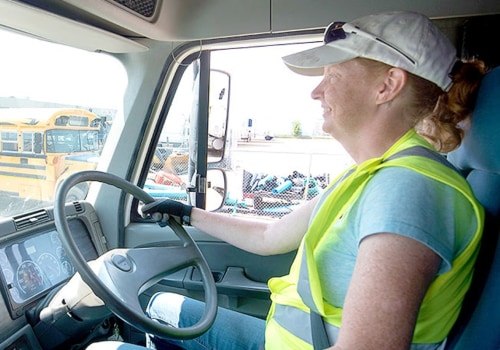
Clean, organized trucks contribute directly to driver comfort and morale. Spending days or weeks on the road in cluttered or unsanitary conditions can negatively impact mental and physical health. When companies prioritize waste management, drivers feel supported and valued, leading to higher job satisfaction and retention. Simple measures such as providing waste supplies, clear policies, and accessible disposal options can significantly improve the day-to-day experience of long haul drivers.
Building a Sustainable Waste Strategy
Effective waste management in long haul trucking requires a combination of onboard practices, strategic partnerships, and long-term planning. By addressing waste proactively, fleets can reduce environmental impact, improve compliance, and support driver well-being. As the industry continues to evolve, integrating smart waste solutions into daily operations is no longer optional—it is a necessary step toward safer, cleaner, and more sustainable trucking operations.