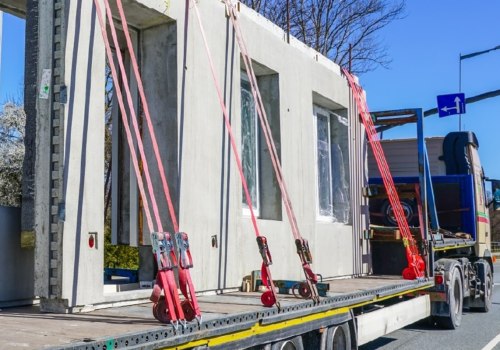
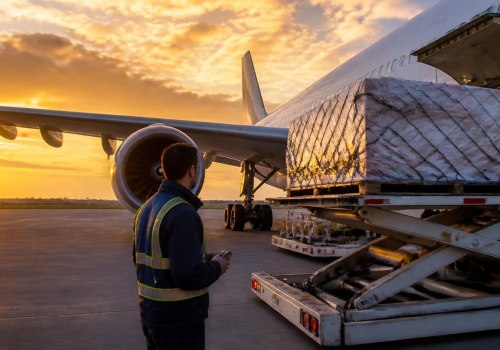
Long haul trucking serves as a critical connector between cities, transporting goods from manufacturing centers, agricultural regions, ports, and distribution hubs into dense urban markets. As consumer demand for rapid delivery grows, trucking routes have become more efficient and data-driven, with logistics companies optimizing travel times, fuel consumption, and delivery schedules. The steady flow of freight into metropolitan areas stimulates business activity, supports retail expansion, and strengthens supply chain networks. This influx of goods and commercial movement has a direct influence on property utilization patterns, including the rising demand for nearby self storage facilities.
Urban areas that experience consistent freight traffic often develop surrounding ecosystems of small businesses, contractors, and service providers who depend on reliable transportation links. These operators frequently need flexible, accessible space to manage inventory and equipment without committing to large warehouse leases.
Supporting Small Businesses and Independent Operators
Long haul trucking brings bulk shipments into cities, but not every recipient requires expansive industrial storage. Independent retailers, e-commerce sellers, and local contractors often operate on a smaller scale. Instead of leasing full warehouse properties, they seek secure, adaptable storage solutions close to major transportation corridors. Self storage facilities located near urban trucking routes provide an efficient staging ground for goods awaiting distribution or installation.
For example, a facility like All Locked Up can serve entrepreneurs who rely on frequent truck deliveries. By storing surplus inventory or seasonal products in a nearby unit, business owners reduce clutter at storefronts and streamline last-mile distribution. This arrangement allows them to balance cost efficiency with operational flexibility. As freight volumes increase, so too does the need for scalable storage options that align with evolving logistics patterns.
Urban Density and Transitional Storage Needs
The impact of long haul trucking extends beyond commercial users. As transportation networks expand and job opportunities in logistics grow, more individuals relocate to urban centers. Increased population density often leads to smaller living spaces, particularly in apartment complexes and mixed-use developments. Residents may lack sufficient room for recreational equipment, seasonal décor, or transitional belongings during moves.
Self storage facilities positioned near trucking corridors offer convenient solutions for these residents. Workers moving into urban areas for freight-related employment may require short-term storage while securing permanent housing. Families downsizing or renovating also benefit from accessible off-site storage during periods of change.
Strengthening Property Investment Potential
Long haul trucking corridors typically represent stable, long-term infrastructure investments. Highways and freight routes are unlikely to shift dramatically, providing predictable economic anchors for nearby communities. Investors evaluating self storage opportunities often consider proximity to these transportation networks as a key factor.
Urban storage facilities that align with active trucking routes benefit from diversified demand. Commercial tenants managing inventory cycles and residential clients navigating housing transitions create a balanced customer base. Wide access lanes, convenient operating hours, and secure environments further enhance appeal to customers arriving with loaded trucks or delivery vehicles.
Ultimately, the relationship between long haul trucking and urban self storage demand reflects a broader economic synergy. Freight movement drives commerce and population growth, while storage facilities provide the adaptable space needed to support both business operations and residential flexibility.