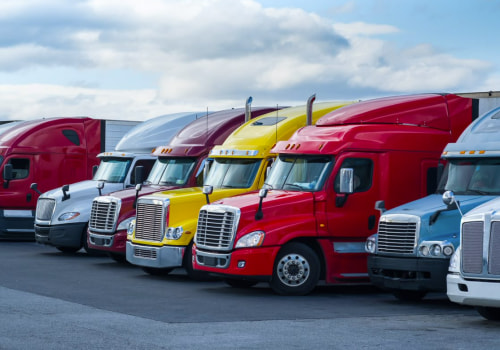
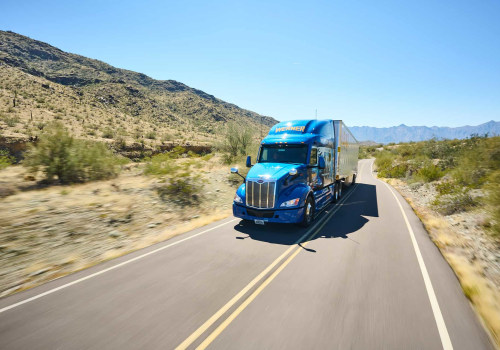
Long haul trucking depends on timing, coordination, and fast turnaround at warehouses. Even if a driver makes excellent time on the road, a slow dock can erase those gains in minutes. Late unloading, crowded staging areas, and disorganized freight zones often lead to detention time, missed delivery appointments, and schedule disruptions that ripple into the next load. For carriers and shippers alike, warehouse efficiency is more than a convenience—it directly affects profitability. When docks stay clear and processes stay organized, trucks can get in, get loaded or unloaded, and get back on the road without unnecessary waiting.
The Real Cost of Congested Loading Docks
A dock that isn’t managed well becomes a bottleneck. Pallets stacked in the wrong place, broken packaging left behind, and random debris around dock doors can slow down forklift movement and make it harder for workers to stage outgoing shipments. This creates delays for truckers who may already be working within strict Hours of Service limits. If a driver is stuck waiting too long, they might lose their available driving hours for the day, forcing an unplanned stop and pushing delivery into the next morning. On the warehouse side, congestion increases labor time, raises the chance of product damage, and makes it harder to maintain safe working conditions. A cluttered dock also increases risk of slips, trips, and equipment collisions—problems that can result in injuries and costly interruptions.
How Waste Builds Up Faster Than Teams Expect
Warehouses generate waste constantly, especially in high-volume shipping environments. Cardboard, shrink wrap, pallet scraps, broken crates, and damaged product packaging accumulate quickly during daily operations. During busy seasons, that waste can double or triple, and internal trash systems may not keep up. If waste is left near dock doors or staging lanes, it can block access and slow down loading. It also creates confusion about what is trash versus what is still part of an order. This is where having a consistent waste removal plan becomes essential for keeping freight moving smoothly and protecting valuable dock space.
Why Dumpster Rentals Support Faster Turnaround
A dumpster rental company helps warehouses maintain clean, usable dock areas by providing an easy way to remove large volumes of debris without constant trips to off-site disposal facilities. Instead of letting waste pile up in corners or overflow into staging zones, teams can dispose of materials immediately and keep the dock floor clear. This improves forklift traffic flow, speeds up loading and unloading, and reduces the time spent cleaning up between shipments. For long haul truckers, that means fewer delays, faster processing, and a lower chance of detention time cutting into their day. A reliable dumpster setup also helps warehouses handle bulk cleanouts, packaging surges, and unexpected waste spikes after receiving large inbound loads.
Improving Safety and Organization at the Dock
Clean docks aren’t just faster—they’re safer. When debris is controlled, workers have clearer visibility and more space to operate equipment. Pallets can be staged correctly, lanes can stay open, and dock doors can be used efficiently. This reduces accidents and prevents avoidable damage to freight. It also makes warehouse operations easier to manage because teams can maintain a consistent workflow. When trucks arrive on schedule, the dock can handle them without scrambling to clear space. In many facilities, waste management becomes part of a larger efficiency strategy, and services like dumpster rentals in Lincoln, MA support that goal by keeping disposal simple and accessible during high-traffic periods.
Better Dock Flow Helps Everyone in the Supply Chain
When a warehouse runs efficiently, everyone benefits. Truck drivers spend less time waiting, which helps them stay compliant with driving limits and meet delivery deadlines. Carriers can complete more loads and reduce wasted fuel from idling. Shippers and receivers get more predictable shipment timing, which improves planning and customer satisfaction. Even small improvements—like keeping dock areas clean and organized—can add up to significant gains across a busy supply chain. Warehouse efficiency is not just about speed; it’s about maintaining a system that supports consistent, reliable freight movement day after day.
Conclusion: Clear Docks Keep Trucks Moving
Long haul trucking relies on more than highways and dispatch schedules—it relies on warehouses that can load and unload quickly. When docks are cluttered with debris and packaging waste, delays become inevitable. A dumpster rental company plays a practical role in keeping docks clear, improving safety, and supporting smoother warehouse operations. By controlling waste and protecting dock space, warehouses create faster turnaround times and help long haul trucking stay on schedule, improving efficiency across the entire shipping process.