Long haul trucking plays a critical role in transporting high-value equipment across regions, states, and even international borders. Industries such as construction, agriculture, energy, marine services, and recreation depend on reliable freight networks to move heavy machinery, specialty vehicles, and oversized assets safely and efficiently. Unlike standard cargo, high-value equipment requires additional strategic planning due to its cost, sensitivity, and operational importance. From flatbed trailers carrying excavators to enclosed carriers transporting luxury recreational vehicles, trucking companies must coordinate routes, permits, driver expertise, and security protocols to ensure safe delivery. The complexity increases when shipments span thousands of miles, requiring careful scheduling, fuel planning, weather monitoring, and compliance with varying state regulations.
Strategic Planning for High-Value Equipment Protection
Strategic planning begins long before the engine starts. Logistics managers assess risk factors such as theft exposure, road conditions, seasonal weather hazards, and delivery timelines. High-value equipment often demands specialized tie-down systems, protective coverings, and GPS tracking to maintain safety throughout transit. Insurance considerations are equally important, as coverage must reflect the equipment’s full market value and potential downtime costs.
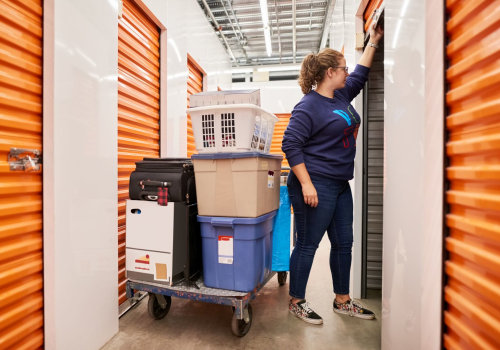
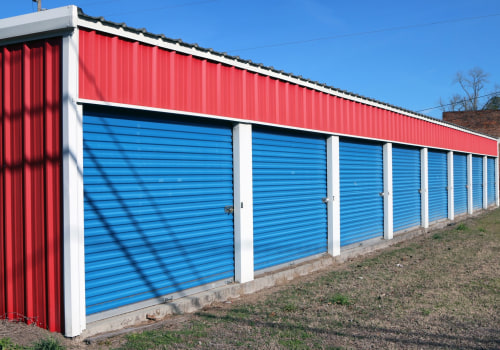
Equally vital is planning for what happens after delivery. In many cases, equipment does not go directly into active use. Construction machinery may await project permits, seasonal equipment may be stored during off-peak months, and recreational vehicles might be held until peak travel seasons. Coordinating secure storage immediately upon arrival ensures that assets remain protected from vandalism, environmental damage, and unnecessary depreciation. Businesses frequently partner with secure storage facilities near major trucking routes to streamline this transition. For example, facilities like A-1 RV AND BOAT STORAGE offer dedicated spaces that accommodate large vehicles and equipment, helping companies and owners safeguard valuable assets between transport cycles.
Integrating Transportation and Storage Strategies
Effective logistics strategies integrate long haul trucking with well-planned storage solutions. This integration reduces idle time, lowers operational risk, and enhances overall supply chain efficiency. When trucking schedules align with reserved storage capacity, companies avoid costly delays and congestion at temporary holding sites. Advanced planning also allows fleet managers to coordinate drop-and-hook operations, where trailers are staged at secure facilities before final deployment.
Technology plays a central role in modern strategic planning. Fleet management software, telematics systems, and digital inventory tracking tools allow businesses to monitor both transportation progress and storage availability in real time. These tools improve communication among drivers, dispatchers, and storage operators, ensuring seamless handoffs and minimal exposure to risk. Additionally, predictive analytics can forecast demand for equipment usage, enabling proactive storage planning rather than reactive decision-making.
Risk Management and Long-Term Asset Preservation
High-value equipment represents a significant capital investment, and preserving that investment requires comprehensive risk management. Long haul trucking companies must implement strict safety protocols, including background-checked drivers, route risk assessments, and secure parking strategies during rest stops. Once equipment reaches its storage destination, continued protection is essential. Climate considerations, surveillance systems, controlled access gates, and routine inspections all contribute to maintaining asset integrity.
Strategic storage planning also supports long-term financial performance. By protecting equipment from premature wear and environmental exposure, businesses extend asset lifespan and reduce maintenance costs. Well-coordinated trucking and storage strategies minimize downtime, ensuring equipment is available when needed without unnecessary delays.
In today’s fast-paced logistics landscape, long haul trucking and high-value equipment storage are closely interconnected components of operational success. Through careful planning, technological integration, and secure storage partnerships, companies can move and protect their most valuable assets efficiently while maintaining flexibility in an ever-evolving marketplace.