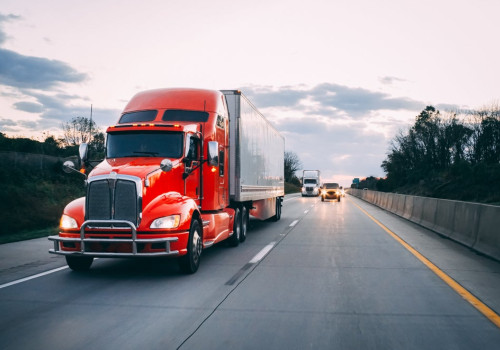
Long haul trucking routes serve as vital arteries of commerce, connecting manufacturing centers, distribution hubs, and retail markets across vast geographic regions. Major highways and interstate systems facilitate the daily movement of goods ranging from consumer products and construction materials to specialized equipment and agricultural commodities. Wherever these routes thrive, economic activity tends to follow. Fuel stations, service centers, logistics parks, and commercial developments often cluster along busy trucking corridors to support the constant flow of freight. This concentration of transportation infrastructure creates unique opportunities for complementary industries, including the self storage sector.
As freight traffic increases, so does the need for flexible space solutions near major trucking routes. Truck drivers, independent contractors, and small distribution businesses frequently require secure, accessible locations to store tools, surplus inventory, and business equipment. Self storage facilities positioned near high-traffic corridors can meet this demand by offering convenient access without requiring customers to navigate congested urban centers.
Supporting Small Businesses and Independent Operators
Long haul trucking routes do more than move freight—they foster ecosystems of small businesses that rely on efficient transportation. Independent distributors may receive goods at centralized hubs and then store them locally before fulfilling regional deliveries. Contractors working on projects along transportation corridors often need temporary storage for materials and equipment between job sites.
Facilities like AAA Storage of Highland demonstrate how strategically located storage properties can serve these operators effectively. Positioned within reach of active freight routes, such facilities provide practical solutions for drivers and entrepreneurs who require secure space without long-term warehouse commitments. Flexible leasing options, wide access lanes, and convenient operating hours become valuable features for customers whose schedules depend on delivery windows and road conditions.
Enhancing Logistics Efficiency and Cost Control
The presence of long haul trucking routes also encourages cost-conscious logistics planning. Companies may choose to stage goods at storage facilities located near major highways rather than transporting them directly into dense urban areas multiple times. This approach reduces fuel consumption, minimizes traffic delays, and optimizes delivery scheduling.
For example, a small retailer might receive bulk shipments from a distant supplier via long haul trucking. Instead of investing in large commercial property within a city center, the retailer can utilize a nearby self storage facility as a staging point. From there, goods can be distributed gradually to storefronts or customers. This layered approach to inventory management supports scalability and reduces overhead.
Additionally, drivers themselves may use storage units to secure spare parts, promotional materials, or personal equipment during extended routes. The proximity of storage to trucking corridors simplifies these arrangements, making it easier to manage assets while on the road.
Driving Regional Growth and Property Development
Long haul trucking corridors often stimulate broader regional development. As transportation infrastructure expands, commercial and residential growth typically follows. New housing developments, retail centers, and service businesses emerge to support workers and residents connected to logistics industries. With increased mobility and economic activity comes heightened demand for personal and commercial storage space.
Self storage facilities benefit from this growth by serving both business operators and households relocating to transportation-linked communities. The steady flow of goods and people along trucking routes creates ongoing opportunities for storage providers to capture consistent demand.
Ultimately, long haul trucking routes do more than connect distant markets—they generate economic momentum that supports diverse property uses. For self storage facilities positioned strategically along these corridors, the intersection of freight movement and flexible space solutions presents a sustainable path for growth and long-term relevance.