Transportation needs vary significantly depending on whether the goal is to move passengers, personal belongings, commercial products, or large quantities of freight. While standard transportation services can handle many everyday requirements, specialized solutions are designed for situations that demand greater coordination, specific equipment, additional comfort, or carefully managed schedules. From chauffeured vehicles for important events to freight networks serving businesses, each transportation category has distinct operational requirements. Understanding these differences can help individuals and companies select services based on factors such as distance, cargo type, passenger expectations, delivery deadlines, capacity, and budget rather than simply choosing the first available transportation option.
Professional Limo and Passenger Services
Limousine services are designed primarily around passenger comfort, convenience, and scheduled transportation. They may be used for airport transfers, corporate travel, weddings, private events, business meetings, and other occasions where passengers prefer a professionally arranged ride. Depending on the provider, available vehicles can range from executive sedans and SUVs to larger luxury vehicles designed for groups. Services such as LimoFi can represent the passenger-focused side of specialized transportation, where scheduling, vehicle selection, and customer experience play important roles in getting travelers to their destinations. Unlike ordinary point-to-point transportation, professional limo arrangements may involve advance reservations, coordinated pickup times, planned routes, and specific vehicle preferences.
Moving Goods Through Freight Transportation
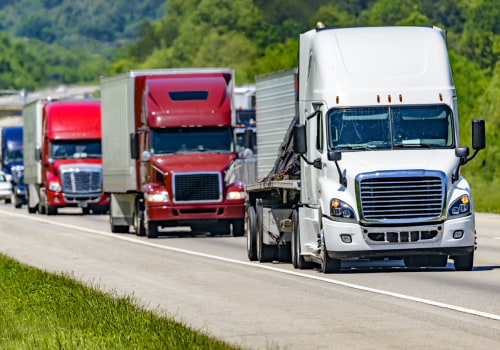
Freight transportation operates with a very different purpose. Instead of focusing on passenger experience, freight services concentrate on moving goods efficiently and securely between manufacturers, warehouses, distribution centers, retailers, and customers. Trucking is one of the most flexible options because vehicles can reach locations that may not have access to rail terminals, airports, or seaports. Different trucks and trailers can accommodate general merchandise, refrigerated products, construction materials, machinery, and oversized cargo. Businesses must consider shipment size, weight, distance, handling requirements, and delivery schedules when selecting an appropriate freight solution.
Using Rail for High-Volume Shipments
Rail freight can be particularly useful for moving large quantities of goods over long distances. Commodities, raw materials, automotive products, and containerized shipments are commonly transported through rail networks. While rail may provide advantages for high-volume transportation, it generally offers less route flexibility than trucking because shipments must follow established railway infrastructure. Companies may therefore combine rail with trucks to move cargo between rail terminals and its final destination. This combination is commonly known as intermodal transportation and allows businesses to use the strengths of multiple transportation methods.
Choosing Air Freight for Time-Sensitive Cargo
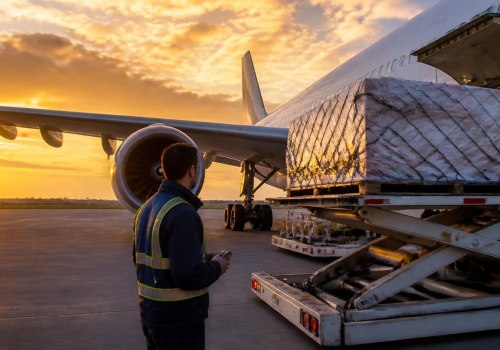
When speed is a major priority, air freight can provide a faster alternative for long-distance shipments. Businesses may use air transportation for urgent replacement parts, medical supplies, electronics, high-value goods, or products with short delivery windows. However, air freight can be more expensive than other methods, particularly for heavy or bulky shipments. Companies should compare the value of faster delivery against transportation costs when determining whether air freight is appropriate.
Coordinating Multiple Transportation Methods
Complex transportation requirements sometimes involve several services within a single journey. Freight might travel by ship, continue by rail, and then move by truck for final delivery. Passenger transportation can also require coordination around airline schedules, hotel reservations, meetings, and event timelines. Technology increasingly supports this coordination through digital booking systems, route planning, shipment tracking, and automated scheduling.
Selecting the Right Transportation Solution
There is no single transportation method that works best for every situation. Passenger services prioritize comfort, timing, convenience, and professional coordination, while freight transportation emphasizes capacity, cargo protection, efficiency, and reliable delivery. Rail, trucking, air freight, maritime shipping, and specialized passenger vehicles each serve different purposes within the broader transportation industry. By considering what is being transported, where it needs to go, how quickly it must arrive, and what level of service is required, individuals and businesses can select solutions that balance cost, reliability, flexibility, and efficiency while meeting their specific transportation needs.