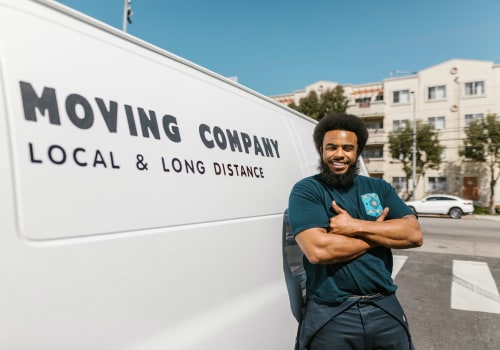
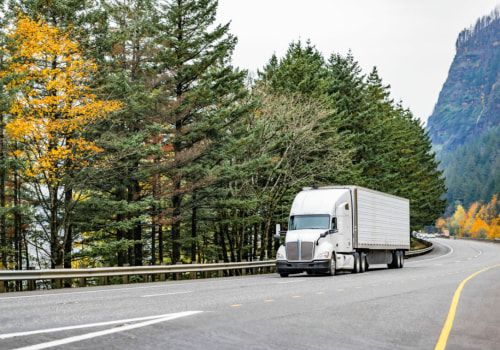
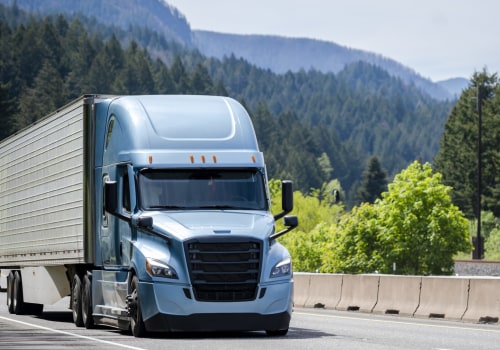
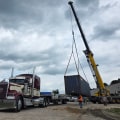
Long haul trucking is one of the most important components of modern logistics, connecting manufacturers, warehouses, distribution centers, retailers, and consumers across vast geographic regions. Every day, trucks transport food, medical supplies, industrial equipment, construction materials, and countless consumer goods that businesses and households rely on. Without dependable long-distance freight transportation, supply chains would struggle to meet demand, causing delays that could affect production schedules, inventory management, and customer satisfaction. Trucking companies play a vital role by ensuring products move efficiently between states and regions while adapting to changing weather conditions, traffic patterns, and delivery schedules. Their ability to provide flexible transportation solutions makes trucking an essential link in the broader logistics network, especially in areas where rail or air freight may not offer practical alternatives. As commerce continues to expand through e-commerce and nationwide distribution, the importance of reliable long haul trucking remains stronger than ever.
Logistics Depends on Coordinated Transportation Systems
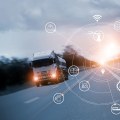
Efficient logistics extends beyond simply moving freight from one destination to another. It requires careful coordination among multiple transportation methods, warehousing operations, inventory systems, and delivery schedules. Long haul trucking often works alongside rail transport, maritime shipping, and air cargo to create seamless supply chains capable of serving businesses across the country. Dispatchers, logistics coordinators, warehouse managers, and drivers must communicate effectively to minimize delays and maximize efficiency. Technology has further strengthened this coordination through GPS tracking, route optimization software, electronic logging devices, and real-time shipment monitoring. These innovations allow businesses to better predict delivery times, improve customer communication, and reduce transportation costs. Successful logistics operations rely on every participant fulfilling their responsibilities while maintaining flexibility when unexpected disruptions occur. This interconnected approach keeps products flowing efficiently despite challenges such as severe weather, roadway construction, fluctuating fuel costs, or changing market demands.
Premium Passenger Transportation Complements Business Travel
While freight transportation focuses on moving goods, premium passenger transportation serves an equally valuable purpose by ensuring executives, corporate teams, visitors, and travelers reach their destinations comfortably and on schedule. Business professionals often require dependable transportation to airports, hotels, conferences, meetings, and special events where punctuality directly affects productivity and client relationships. Professional chauffeur services provide an added level of convenience by eliminating concerns about parking, traffic navigation, or coordinating multiple rides. Companies hosting visiting clients or business partners also benefit from offering reliable transportation that reflects professionalism and attention to detail. Choosing an established provider such as Supreme Lane Limo Service in New Orleans, LA allows passengers to travel comfortably while maintaining focus on business objectives instead of transportation logistics. Premium passenger transportation contributes to a positive travel experience, particularly during busy schedules that involve multiple appointments or unfamiliar destinations.
A Strong Transportation Network Benefits Everyone
The transportation industry functions most effectively when freight movement and passenger services operate together as complementary parts of a larger infrastructure. Long haul trucking supports businesses by delivering the products that fuel commerce, while premium passenger transportation helps individuals travel efficiently for work, tourism, and personal commitments. Both sectors rely on careful scheduling, experienced drivers, vehicle maintenance, safety standards, and customer-focused service to achieve consistent results. Investments in roads, bridges, technology, and transportation planning strengthen both freight logistics and passenger mobility, creating economic benefits that extend far beyond the transportation industry itself. As businesses continue expanding across regional and national markets, dependable transportation solutions remain essential for supporting growth and maintaining reliable connections between communities. Whether moving products across thousands of miles or transporting travelers to important destinations, coordinated transportation services help keep economies operating smoothly while improving convenience, efficiency, and overall travel experiences for businesses and individuals alike.