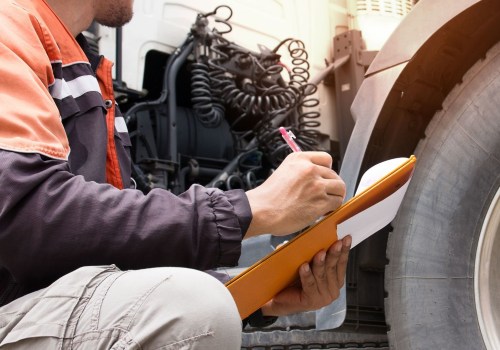
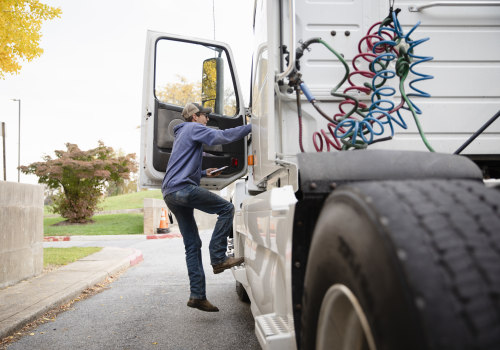
Long haul trucking plays a vital role in modern waste management systems, particularly when it comes to transporting large volumes of bulk materials across regions. Construction projects, industrial facilities, and large-scale cleanouts often generate significant amounts of waste that cannot be handled solely by local disposal methods. Long haul trucking helps bridge this gap by moving waste materials from collection sites to specialized processing facilities, recycling centers, or landfills located hundreds of miles away. These transportation networks allow industries to maintain productivity while ensuring that waste materials are removed from work sites quickly and efficiently. Without long haul trucking, many industries would struggle to manage the logistics of transporting bulky materials, leading to delays, overcrowded storage areas, and potential safety concerns on job sites.
Handling Large Volumes of Bulk Waste
Bulk waste logistics involves the coordination of multiple systems to collect, store, transport, and process large quantities of debris and discarded materials. Long haul trucking companies specialize in transporting heavy loads such as construction debris, scrap metal, industrial byproducts, and demolition materials. These loads are often too large or too distant to be handled by smaller transportation methods. Long-distance trucking ensures that materials can reach specialized facilities that have the capacity to recycle, process, or dispose of them properly. This process helps industries comply with environmental regulations while maintaining clean and organized work environments. In many cases, trucking companies operate on carefully planned routes and schedules to ensure that waste removal aligns with the needs of construction timelines and industrial operations.
The Connection Between Local Collection and Long-Distance Transport
While long haul trucking manages the transportation of waste across large distances, the process often begins with local waste collection services. Construction sites, renovation projects, and community cleanups require accessible waste containers that allow materials to be gathered safely before transportation begins. These containers serve as the first step in the waste management chain by providing an organized location for debris accumulation. Services such as dumpster rental in Southwest Ohio help property owners, contractors, and businesses collect waste materials efficiently at the source. Once containers are filled, the waste can be transferred to transportation systems that include long haul trucking operations responsible for delivering the materials to their final destinations. This partnership between local waste collection and long-distance transportation creates a seamless process that keeps projects running smoothly.
Efficiency and Environmental Considerations
Long haul trucking not only improves logistical efficiency but also supports environmentally responsible waste management practices. Transporting bulk materials in large loads reduces the number of individual trips required, which can help lower fuel consumption compared to multiple smaller transport runs. Additionally, long-distance hauling allows waste to reach facilities equipped for advanced recycling and processing methods that may not exist locally. Materials such as metal, concrete, and certain plastics can often be repurposed into new products rather than ending up in landfills. By connecting collection points with specialized facilities, trucking networks contribute to broader recycling efforts and resource conservation initiatives.
Supporting Industry and Community Infrastructure
The combination of long haul trucking and bulk waste logistics plays a crucial role in supporting infrastructure development, construction projects, and community maintenance efforts. Whether it involves clearing debris from demolition sites or transporting industrial waste for processing, efficient logistics ensure that materials are managed responsibly and safely. Industries rely on these transportation networks to maintain productivity while protecting surrounding communities from the challenges associated with unmanaged waste. By connecting local collection services with regional and national transportation routes, long haul trucking continues to serve as a critical component in modern waste management systems that support both economic activity and environmental responsibility.