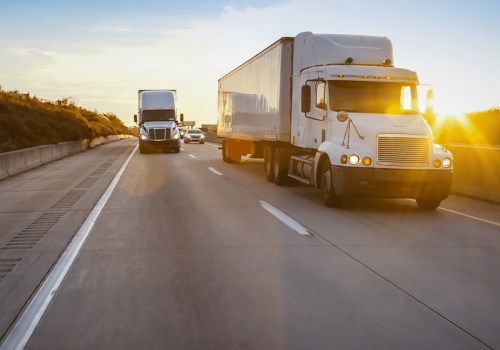
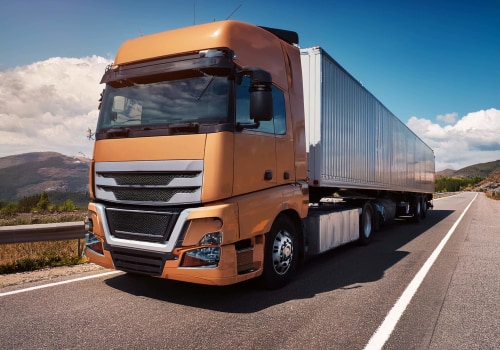
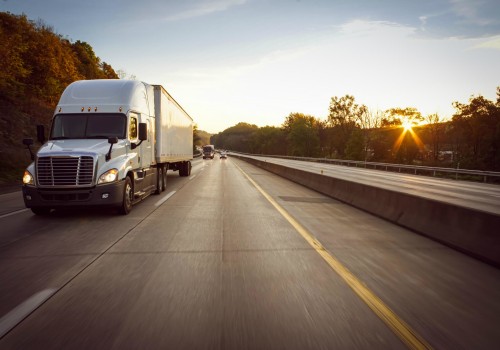
Cleanup operations have become increasingly complex as construction activity, industrial development, disaster recovery, and large-scale property cleanouts continue expanding across different regions. Efficient waste removal and debris management now depend heavily on transportation systems capable of handling large material volumes quickly and reliably. Among the most important contributors to these operations is long haul trucking, which plays a major role in moving waste, recyclable materials, construction debris, and cleanup equipment across long distances. Without dependable trucking networks, many cleanup projects would experience delays, increased costs, and logistical challenges that could slow overall progress.
Long haul trucking helps connect local cleanup services with disposal facilities, recycling centers, transfer stations, and industrial processing sites located far from the original cleanup location. This transportation flexibility allows cleanup companies to manage larger projects more efficiently while ensuring waste materials are handled properly according to regional regulations and operational requirements. As cleanup operations continue growing in scale, trucking logistics remain essential for maintaining organization, efficiency, and consistent workflow throughout the process.
Supporting Large-Scale Debris Removal
One of the biggest advantages of long haul trucking is its ability to transport substantial amounts of debris and waste materials over extended distances. Construction and demolition projects often generate massive quantities of concrete, wood, drywall, scrap metal, and other materials that cannot always be processed locally. Long haul trucking allows these materials to be transported efficiently to specialized disposal or recycling facilities equipped to handle high-volume loads.
Disaster recovery efforts also rely heavily on trucking operations to clear damaged structures, fallen trees, and storm-related debris from affected communities. During large-scale cleanup events, local waste facilities may quickly reach capacity, making long-distance transportation necessary to maintain cleanup momentum. Trucking fleets help reduce bottlenecks by continuously moving debris away from active work zones and delivering it to facilities capable of processing or disposing of the material safely.
Industrial cleanup projects often involve specialized waste handling procedures as well. Certain materials require transportation to designated treatment or recycling centers located in different regions or states. Long haul trucking provides the flexibility needed to support these complex logistics while helping companies comply with environmental and safety standards.
Connecting Local Services to Regional Networks
Cleanup operations typically begin at the local level through dumpster services, hauling providers, or demolition crews that collect and organize debris at job sites. Long haul trucking then becomes part of the broader logistics chain by transporting those materials beyond the local area. This connection between local collection services and regional transportation infrastructure allows cleanup projects to scale more effectively.
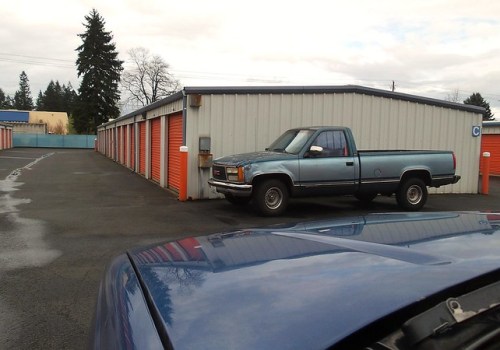
Services such as dumpster rentals in Easley SC help support this process by providing homeowners, contractors, and businesses with convenient debris collection solutions during renovations, cleanouts, or construction projects. Once dumpsters are filled, hauling systems and trucking networks work together to transport the waste to appropriate processing or disposal facilities.
This layered approach improves operational efficiency because local crews can focus on site management and collection while trucking providers handle long-distance transportation logistics. Coordinated systems like these help cleanup projects remain organized and minimize delays that could disrupt construction schedules or recovery efforts.
Improving Efficiency and Project Timelines
Long haul trucking contributes significantly to keeping cleanup operations on schedule. Timely waste removal allows construction crews, demolition teams, and restoration workers to continue progressing without being slowed by accumulating debris or overcrowded job sites. Consistent transportation availability helps maintain safer working environments while improving productivity across multiple stages of a project.
Truck drivers and logistics coordinators also play important roles in route planning and scheduling to maximize efficiency. Coordinating pickup times, disposal locations, and transportation routes helps reduce fuel costs, avoid unnecessary delays, and improve overall operational flow. Technology such as GPS tracking, digital dispatch systems, and logistics software further enhances coordination between cleanup crews and transportation providers.
Efficiency becomes especially important during emergency situations or time-sensitive projects where delays can increase costs and prolong disruptions for affected communities. Reliable trucking support helps cleanup teams respond more effectively while maintaining organized material movement throughout the operation.
Environmental and Operational Considerations
Modern trucking operations increasingly emphasize sustainability and efficiency within waste management systems. Many cleanup projects now prioritize recycling and material recovery efforts that require transporting debris to specialized facilities capable of sorting and reprocessing reusable materials. Long haul trucking supports these goals by expanding access to recycling infrastructure that may not exist locally.
Proper transportation also helps reduce illegal dumping and unmanaged waste accumulation by ensuring debris reaches approved disposal sites. This contributes to cleaner communities, improved environmental compliance, and more responsible waste handling practices overall.
In addition, trucking flexibility allows cleanup companies to adapt quickly to changing project demands. Whether supporting residential cleanouts, industrial demolition, disaster recovery, or construction waste management, long haul trucking remains one of the most important components of modern cleanup logistics.
The Future of Cleanup Logistics
As infrastructure projects, urban development, and environmental cleanup efforts continue expanding, the role of long haul trucking in streamlined cleanup operations will remain essential. Efficient transportation systems allow cleanup companies to scale operations, improve safety, and maintain organized workflows across large geographic areas.
By connecting local collection services with broader disposal and recycling networks, long haul trucking helps ensure that cleanup projects move forward efficiently while supporting responsible waste management practices for communities and industries alike.