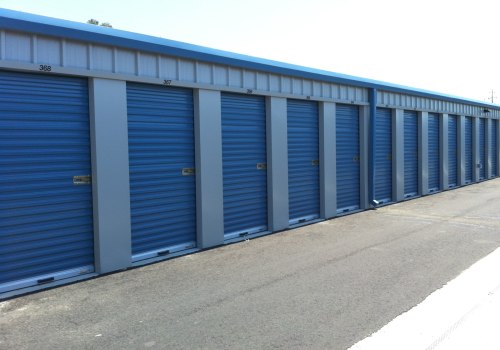
Trucking companies operate in an environment where timing, accessibility, and organization directly influence efficiency. Drivers and fleet managers must coordinate shipments, vehicle schedules, loading appointments, and delivery windows while responding to changing customer demands. Having flexible space available for goods, equipment, or materials can make these operations easier to manage, particularly when shipments arrive earlier than expected or cannot be delivered immediately. Instead of allowing freight to remain on trailers or occupy valuable operational areas, businesses can use dedicated facilities as temporary holding points. This additional flexibility can reduce congestion at distribution centers and help trucking companies keep vehicles moving rather than waiting for space to become available.
Managing Changing Freight Volumes
Freight volumes often fluctuate because of seasonal demand, promotions, manufacturing schedules, weather disruptions, or changes in customer orders. These variations can create challenges for businesses with limited warehouse capacity. Flexible facilities allow companies to accommodate temporary increases in inventory without committing to permanent expansion. A trucking operation transporting retail merchandise, construction materials, or commercial supplies may need additional room for only a few weeks or months. In these situations, access to storage can provide a practical buffer between transportation and final delivery. Goods can remain secure until customers are ready to receive them, allowing trucking companies to manage schedules more effectively while minimizing unnecessary delays.
Improving Accessibility for Drivers
Location and accessibility are especially important when choosing facilities that support trucking logistics. Properties located near major highways, industrial districts, distribution hubs, and frequently traveled routes can reduce unnecessary mileage. Wide entrances, adequate turning space, convenient loading areas, and extended access hours may also make it easier for drivers operating large commercial vehicles. When drivers can reach goods quickly without navigating difficult streets or crowded loading zones, companies may save time and fuel. Convenient access can also help dispatchers create more predictable routes and reduce disruptions that affect subsequent deliveries throughout the day.
Supporting Equipment and Operational Needs
Trucking businesses often manage more than freight alone. Companies may also need room for spare parts, tools, maintenance supplies, pallets, seasonal equipment, packaging materials, or other operational resources. Keeping these items organized in a separate location can free up space at offices, terminals, or maintenance facilities. Flexible arrangements are particularly useful for smaller trucking businesses that may not have large distribution centers of their own. Instead of investing immediately in additional commercial property, they can adjust the amount of space they use according to current business requirements. This approach can provide greater financial flexibility while still supporting day-to-day operations.
Reducing Delays Between Pickup and Delivery
Not every shipment can move directly from its origin to its destination. Customers may experience scheduling changes, construction sites may not be ready for materials, or retailers may have restrictions on delivery times. A nearby holding facility creates an intermediate point where freight can remain until the receiving location is prepared. This can prevent trucks from becoming temporary warehouses and allows trailers to return to service for additional loads. Separating freight availability from vehicle availability can improve fleet utilization and help companies complete more assignments efficiently.
Building Greater Flexibility Into Trucking Operations
Reliable trucking logistics depend on the ability to adapt when schedules, freight volumes, and customer requirements change. Accessible facilities give carriers and their clients another option for managing unexpected circumstances without disrupting the entire transportation process. By considering location, security, access hours, loading capabilities, available space, and rental flexibility, businesses can select facilities that complement their transportation strategies. When incorporated thoughtfully into logistics planning, flexible space can help reduce bottlenecks, improve fleet productivity, organize operational resources, and create a smoother connection between pickup, transportation, and final delivery.