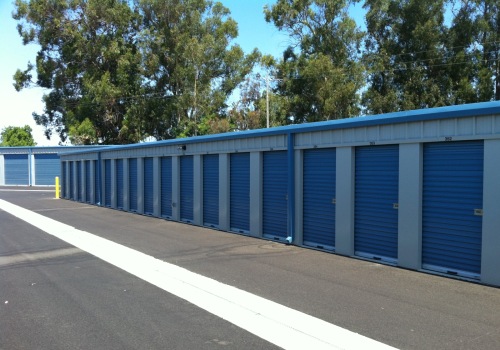
Long-distance trucking often involves carefully coordinated schedules, multiple delivery locations, and extended periods on the road. However, freight does not always move directly from one destination to another without interruption. Drivers may encounter delays caused by appointment changes, warehouse availability, road conditions, customer schedules, or required rest periods. Temporary storage can provide trucking professionals with a practical way to manage freight during these gaps. Instead of keeping cargo loaded on a truck longer than necessary, selected items can be transferred to a secure storage location until the next stage of the route begins. This approach can help trucking companies maintain better control over their schedules while reducing unnecessary pressure on drivers and vehicles.
Managing Delivery Schedule Gaps
One common challenge in long-distance trucking is dealing with differences between pickup and delivery times. A shipment may arrive in a city several hours or even days before a customer is ready to receive it. Keeping freight inside a truck during this period can limit the vehicle’s availability for other assignments. By using temporary storage, carriers can unload eligible cargo and free the truck for another route or delivery. Facilities such as Antioch Storage Solutions may offer additional flexibility when goods need a temporary location between scheduled transportation stages. This can be particularly useful when trucking professionals are coordinating several shipments with different delivery windows.
Improving Vehicle Utilization
Trucks are valuable assets, and keeping them productive is important for transportation companies. When cargo remains inside a trailer simply because a receiving facility is unavailable, the vehicle may be unable to accept another load. Temporary storage can reduce this downtime by allowing certain shipments to be placed in a holding location until final delivery becomes possible. Once the truck is unloaded, it can continue with another assignment while the stored items remain organized and accessible. Better vehicle utilization may help trucking companies manage operating costs, improve scheduling efficiency, and handle a greater number of deliveries without expanding their fleet unnecessarily.
Supporting Multi-Stop Routes
Long-distance trucking professionals frequently handle routes involving multiple pickups and deliveries. Organizing cargo for these routes can become complicated, particularly when delivery schedules change unexpectedly. Temporary storage can act as a staging point where freight is separated according to destination, customer, or delivery date. Drivers can collect only the cargo needed for the next portion of the route rather than transporting every shipment at the same time. This can make loading and unloading more efficient while reducing unnecessary handling. Clear labeling and accurate inventory records are essential when using storage as part of a transportation strategy so that each shipment can be located quickly when needed.
Providing Backup During Unexpected Delays
Weather disruptions, mechanical problems, road closures, warehouse congestion, and customer cancellations can all affect long-distance trucking schedules. Storage provides an additional option when a shipment cannot continue according to the original plan. Instead of making immediate alternative transportation arrangements, trucking professionals can temporarily secure appropriate cargo while determining the best next step. This creates breathing room for dispatchers to reorganize routes and coordinate new delivery times.
Strengthening Long-Distance Logistics
Temporary storage can become a valuable part of long-distance trucking when used strategically. It helps transportation professionals manage scheduling gaps, improve vehicle availability, organize multi-stop deliveries, and respond more effectively to unexpected disruptions. By incorporating storage into broader logistics planning, trucking companies can create more adaptable transportation networks. Careful coordination between drivers, dispatchers, storage providers, and customers can ultimately help freight move more efficiently while keeping long-distance routes organized and responsive to changing conditions.