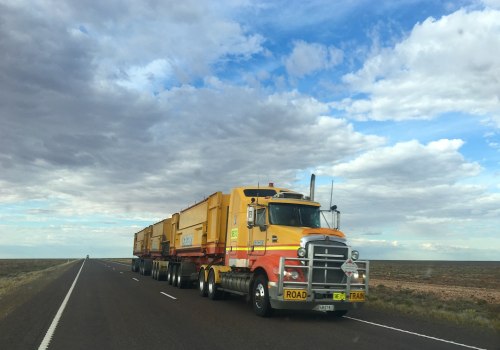
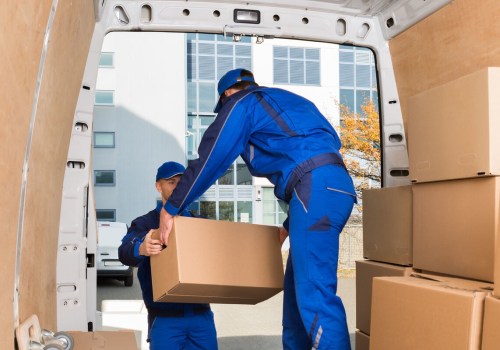
In today’s fast-paced supply chain environment, businesses and individuals alike are seeking more adaptable logistics solutions to keep up with fluctuating demand, shifting schedules, and evolving storage needs. One of the most effective strategies emerging in modern logistics is the integration of self storage facilities with long haul trucking operations. This combination provides a seamless bridge between transportation and temporary storage, allowing goods to move efficiently across long distances while offering a secure place to pause when necessary. Whether it’s due to delivery delays, seasonal inventory overflow, or staging requirements, having access to a reliable storage option enhances flexibility and reduces operational stress.
Bridging Transportation Gaps with Storage
Long haul trucking is essential for transporting goods across cities, states, or even countries, but it doesn’t always align perfectly with delivery timelines. Unexpected issues such as traffic, weather disruptions, or scheduling conflicts can create gaps between arrival and final delivery. This is where self storage plays a critical role. By integrating storage solutions into the logistics chain, trucking companies can temporarily house goods in secure facilities until the next stage of delivery is ready. For example, a facility like Toy Storage can function as a strategically located self storage hub, allowing drivers to offload cargo safely while coordinating the final leg of transportation without unnecessary delays or risks.
Enhancing Efficiency for Businesses
For businesses managing large inventories, especially those involved in retail, manufacturing, or e-commerce, combining self storage with long haul trucking can significantly improve operational efficiency. Instead of relying solely on warehouse space or rushing deliveries to meet tight schedules, companies can use storage units as flexible extensions of their supply chain. This approach helps prevent overcrowded warehouses, reduces transportation bottlenecks, and allows for better inventory management. Goods can be shipped in bulk via long haul trucking and then distributed in smaller, more manageable batches from nearby storage facilities, ensuring timely and cost-effective deliveries.
Cost Savings and Resource Optimization
Another major advantage of integrating self storage with trucking is cost efficiency. Maintaining large permanent warehouses can be expensive, especially when storage needs fluctuate throughout the year. Self storage offers a scalable alternative, allowing businesses to pay only for the space they need when they need it. Additionally, trucking companies can optimize their routes and schedules by using storage facilities as intermediate stops, reducing idle time and improving fuel efficiency. This combination ultimately leads to better resource utilization and increased profitability for both logistics providers and their clients.
Supporting Individuals and Small Businesses
Beyond large corporations, this integrated approach also benefits individuals and small businesses. People relocating across long distances, for instance, may not have immediate access to their new home or office space. Long haul trucking can transport their belongings to a nearby storage facility, where items can be safely kept until they are ready to move in. Similarly, small businesses that lack extensive warehouse infrastructure can rely on self storage to manage inventory while using trucking services for distribution. This creates a level playing field, enabling smaller operations to compete with larger companies by leveraging flexible logistics solutions.
A Smarter Approach to Modern Logistics
As logistics continues to evolve, the integration of self storage with long haul trucking is becoming an increasingly valuable strategy. It offers a practical solution to common challenges such as timing mismatches, storage limitations, and rising operational costs. By combining the strengths of transportation and storage, businesses and individuals can achieve greater flexibility, efficiency, and control over their supply chains. This smarter, more adaptable approach ensures that goods move smoothly from origin to destination, no matter the complexities involved.